Recognizing early warning signs
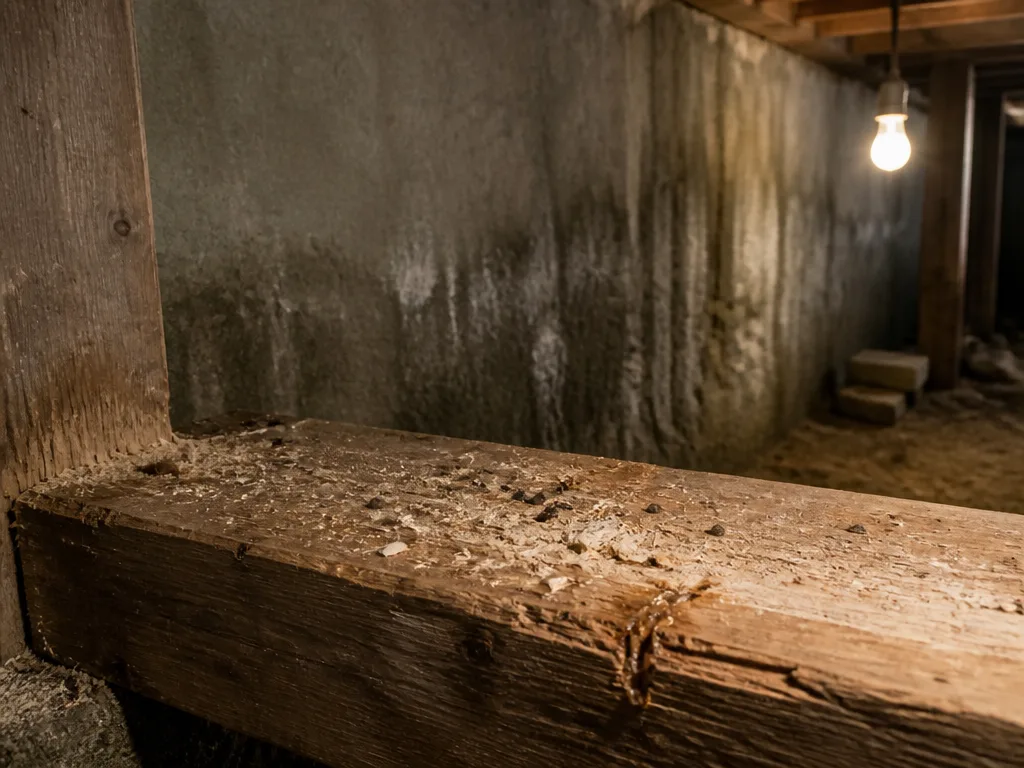
Poor indoor air quality, unusual odors, or a sudden drop in comfort often point to more than a nuisance. In South Carolina homes, several subtle cues can signal pest activity. Look for clean, small droppings near baseboards, into corners, or along shelves. Tiny chew marks on cardboard, foam seals, or wicker furniture are common indicators. If you notice tracks in dusty areas or small holes in wooden trim, these are worth a closer look.
Another telltale sign is droppings or staining on walls and ceilings near vents or attic spaces. Be alert for shredded insulation, torn paper products, or webs in protected spots. These details help pest control specialists understand what’s happening and plan an effective response across South Carolina households.
What to do if you spot signs
Document what you see with photos and note when you first noticed the issue. Clear clutter from problem corners so a pest control specialist can inspect thoroughly. Turn off any unnecessary lights at night if you’re dealing with pests that prefer darkness, and avoid moving suspected nests or piles yourself. Collecting evidence helps the team tailor a plan for your home.
Don’t wait for a problem to grow. South Carolina Bird Control recommends a prompt assessment by a pest control specialist when signs appear. A quick check in by our crews in every South Carolina metro can prevent larger damage and keep your home comfortable year round.
How a professional approach differs
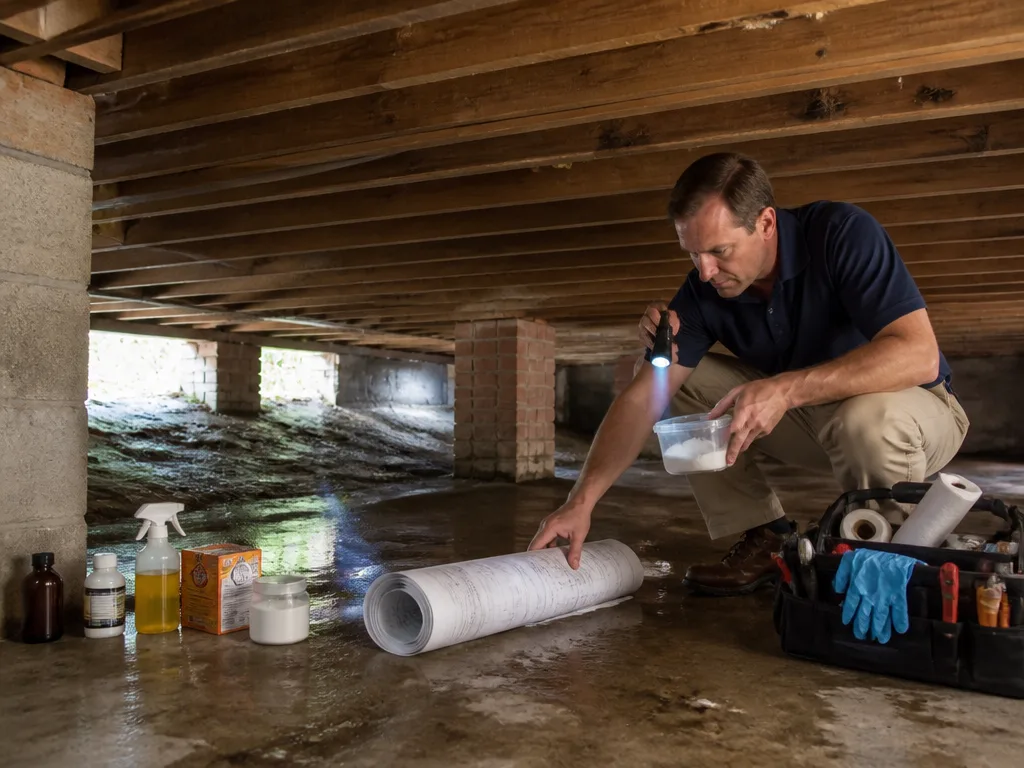
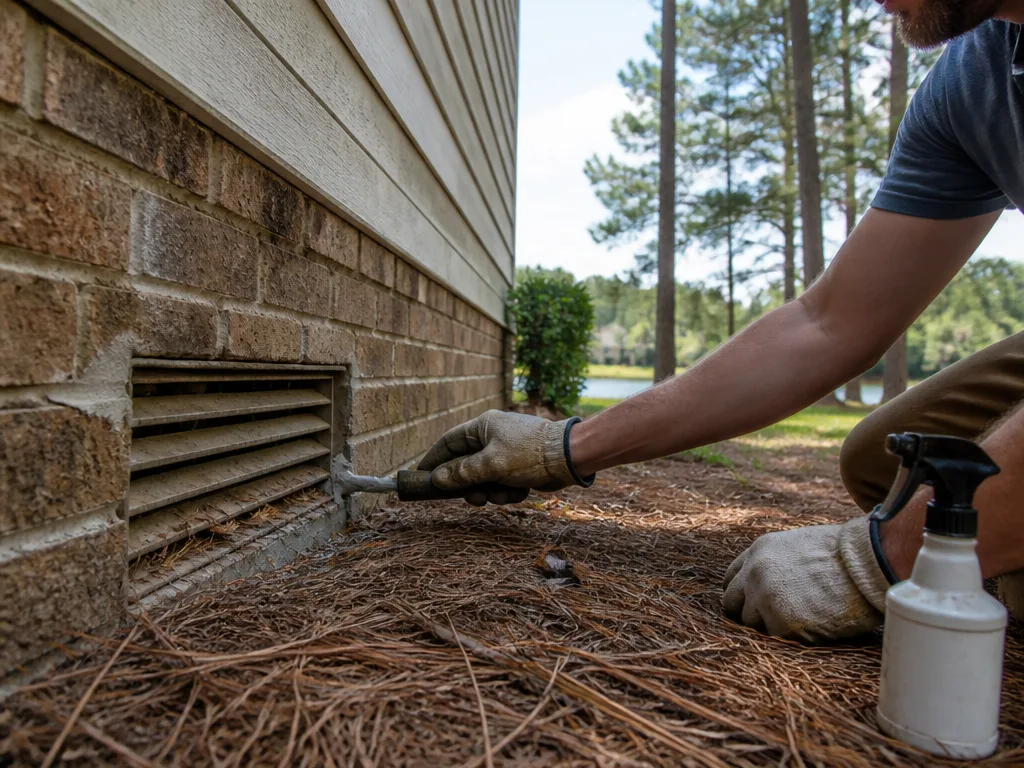
A pest control specialist assesses both interior and exterior conditions. They examine entry points, moisture sources, and potential nesting sites around the property. In South Carolina, humidity and warm seasons can accelerate pest activity, so a statewide plan focuses on prevention plus targeted control when needed.
Expect a straightforward explanation of findings and practical steps you can take. Our team will outline a scope of work, prioritize safety, and explain how to monitor results after the visit across the state.